
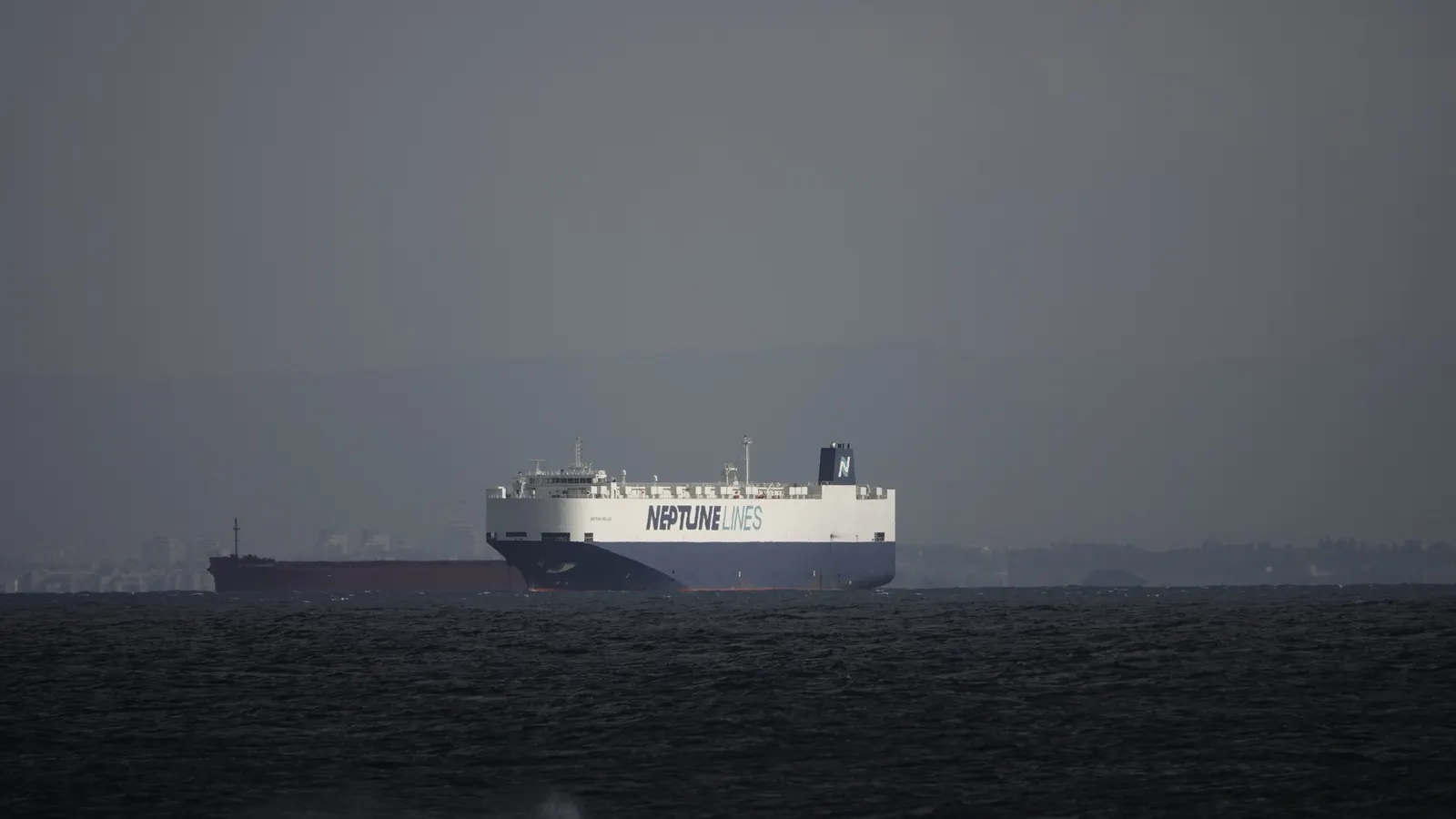
"Insured" on a shipping quote can mean all risks, or only fire, sinking and a handful of named events. The difference is in the clauses the policy is written on, and it decides whether a dented door found on arrival is a claim or a cost.
The short version
- Cargo cover is usually written on Institute Cargo Clauses (A), (B) or (C).
- (A) is all risks subject to exclusions; (C) covers only named major events.
- A CIF seller need only buy (C) cover for the contract price plus 10%.
- Existing faults and wear are excluded under every clause set.
Marine insurance, in one paragraph
Under FOB, CFR and CIF the risk of the voyage is yours from the moment the car is loaded, so the insurance is yours to get right. Choose the clause set, insure for a value that would replace the car, make sure the cover runs from the loading port to your destination including any transhipment, and keep the evidence a claim would need: photographs before loading and a survey at the first sign of damage on arrival.
Institute Cargo Clauses A, B and C
| Clauses | Scope | Typical use |
|---|---|---|
| (A) | All risks of loss or damage, subject to listed exclusions | The cover most buyers want for a car |
| (B) | Named perils, wider than (C) | Middle ground |
| (C) | Named major events only — such as fire, sinking, stranding, collision | The minimum a CIF seller must provide |
Exclusions common to all three include ordinary wear and tear, inherent vice and insufficient packing. Read the policy for the full list.
Because (C) cover does not insure against ordinary handling damage, theft of parts or most weather damage, a CIF purchase on minimum terms can leave the commonest problems uninsured. A buyer who wants (A) cover can agree it with the seller or buy it separately. See FOB, CFR and CIF for car imports.
What to insure the car for
- At least the CIF value plus a margin. Incoterms 2020 sets contract price plus 10% as the CIF minimum, which is also a common basis for buyers' own policies.
- Consider duty and taxes. If a car is lost after duty has been paid, or a replacement must be imported, those costs fall on you. Whether they can be insured is a question for the insurer.
- Match the currency. Insure in the currency you will need to replace the car in, or allow for the exchange rate.
Making a claim: what the insurer will ask for
- The policy or certificate of insurance.
- The bill of lading and the invoice.
- Photographs of the car before loading, ideally dated.
- Notice of the damage to the carrier, given promptly and in writing before or on taking delivery.
- A survey report, arranged before any repair.
Notify both the insurer and the carrier as soon as damage is found; policies and contracts of carriage set time limits, and a car repaired before it is surveyed is hard to claim on.
How insurance enters your customs value
Many customs authorities add the cost of insurance to the car's price and freight to arrive at the customs value, so the premium itself is taxed. Choose your country for its valuation basis.
| Country | How customs values the car |
|---|---|
| The customs value is the price paid plus transport and insurance to the UK border, and duty and VAT are worked out from it. | |
| Customs duty and VAT are worked out on the customs value — the invoice price plus transport and insurance — while VRT is worked out on Revenue's OMSP. | |
| Registration tax works from Transport Malta's registration value for the car, which the government's online calculator produces. | |
| The customs value is the purchase price plus freight and insurance to the port or airport of entry. | |
| KRA values a used car against its own published motor-vehicle valuation schedule rather than the invoice you paid, so two importers of the same model pay the same duty. | |
| TRA assesses duty and taxes on the customs value of the car; confirm with TRA how it values the exact model before you price it. | |
| URA assesses the car's customs value at entry; confirm with URA how it values a used car of your model and year. | |
| MRA values a used car from the FOB value of identical vehicles imported before, reduced by 9% for the first month of use and 1% for each month after, to a maximum of 50%. | |
| Duty is assessed on the car's customs value at entry; confirm the basis for your model with the Jamaica Customs Agency. | |
| Duty is assessed on the car's customs value at entry; confirm the basis with the Customs and Excise Division. | |
| New Zealand Customs works GST out on the car's value plus freight and insurance to New Zealand, and any duty payable. | |
| Customs duty is assessed on the car's CIF value — cost, insurance and freight — at entry. |
Choose a country for its full rules and the official sources, checked 27 October 2026.
How customs values the car · United Kingdom
The customs value is the price paid plus transport and insurance to the UK border, and duty and VAT are worked out from it.
- A price in a foreign currency is converted at HMRC's published monthly rate for the month of import, not at the rate your bank gave you.
- HMRC publishes each month's rates on the penultimate Thursday of the month before.
Sources for United Kingdom, checked 27 October 2026:
- Importing vehicles into the UK — GOV.UK
- Exchange rates for customs and VAT — UK Integrated Online Tariff
How customs values the car · Ireland
Customs duty and VAT are worked out on the customs value — the invoice price plus transport and insurance — while VRT is worked out on Revenue's OMSP.
- Because VRT uses the Irish open-market price rather than the purchase price, a car bought cheaply abroad does not pay less VRT for it.
Sources for Ireland, checked 27 October 2026:
How customs values the car · Malta
Registration tax works from Transport Malta's registration value for the car, which the government's online calculator produces.
Sources for Malta, checked 27 October 2026:
- SOPV 02 — Registering and licensing of new and used motor vehicles (January 2026) — Transport Malta
- Vehicle registration tax calculator — Government of Malta
How customs values the car · Cyprus
The customs value is the purchase price plus freight and insurance to the port or airport of entry.
Sources for Cyprus, checked 27 October 2026:
- Vehicles from countries outside the European Union — on payment of import duty and VAT — Cyprus Customs & Excise Department
How customs values the car · Kenya
KRA values a used car against its own published motor-vehicle valuation schedule rather than the invoice you paid, so two importers of the same model pay the same duty.
- KRA's procedure page links its motor-vehicle valuation template, effective 1 July 2023. The trade usually calls it the CRSP (current retail selling price) schedule.
Sources for Kenya, checked 27 October 2026:
- Importation procedure for motor vehicles — Kenya Revenue Authority
How customs values the car · Tanzania
TRA assesses duty and taxes on the customs value of the car; confirm with TRA how it values the exact model before you price it.
Sources for Tanzania, checked 27 October 2026:
How customs values the car · Uganda
URA assesses the car's customs value at entry; confirm with URA how it values a used car of your model and year.
Sources for Uganda, checked 27 October 2026:
- Uganda Revenue Authority — URA
How customs values the car · Mauritius
MRA values a used car from the FOB value of identical vehicles imported before, reduced by 9% for the first month of use and 1% for each month after, to a maximum of 50%.
- Where no such value exists, MRA starts from the retail price when new in the exporting country, less 5%, then applies the same monthly reduction.
- For cars from Japan, MRA assesses the FOB value through its online second-hand vehicle valuation system.
Sources for Mauritius, checked 27 October 2026:
- Customs — motor vehicles — Mauritius Revenue Authority
How customs values the car · Jamaica
Duty is assessed on the car's customs value at entry; confirm the basis for your model with the Jamaica Customs Agency.
Sources for Jamaica, checked 27 October 2026:
- Motor vehicle — general information — Trade Board Limited
How customs values the car · Trinidad and Tobago
Duty is assessed on the car's customs value at entry; confirm the basis with the Customs and Excise Division.
Sources for Trinidad and Tobago, checked 27 October 2026:
- Customs and Excise Division — Ministry of Finance
How customs values the car · New Zealand
New Zealand Customs works GST out on the car's value plus freight and insurance to New Zealand, and any duty payable.
Sources for New Zealand, checked 27 October 2026:
- Fact sheet: importing goods for business or commercial use (April 2026) — New Zealand Customs Service
How customs values the car · Sri Lanka
Customs duty is assessed on the car's CIF value — cost, insurance and freight — at entry.
Sources for Sri Lanka, checked 27 October 2026:
- National Imports Tariff Guide 2025 — Chapter 87 — Sri Lanka Customs
- Importation of a used motor vehicle under import control licence — Department of Import and Export Control
Insurance sits beside the shipping method and the bill of lading as the three things to settle before a car sails. When you have cars ready to price, you can send a dealer inquiry. For the whole process, read the dealer's guide to sourcing cars overseas.