
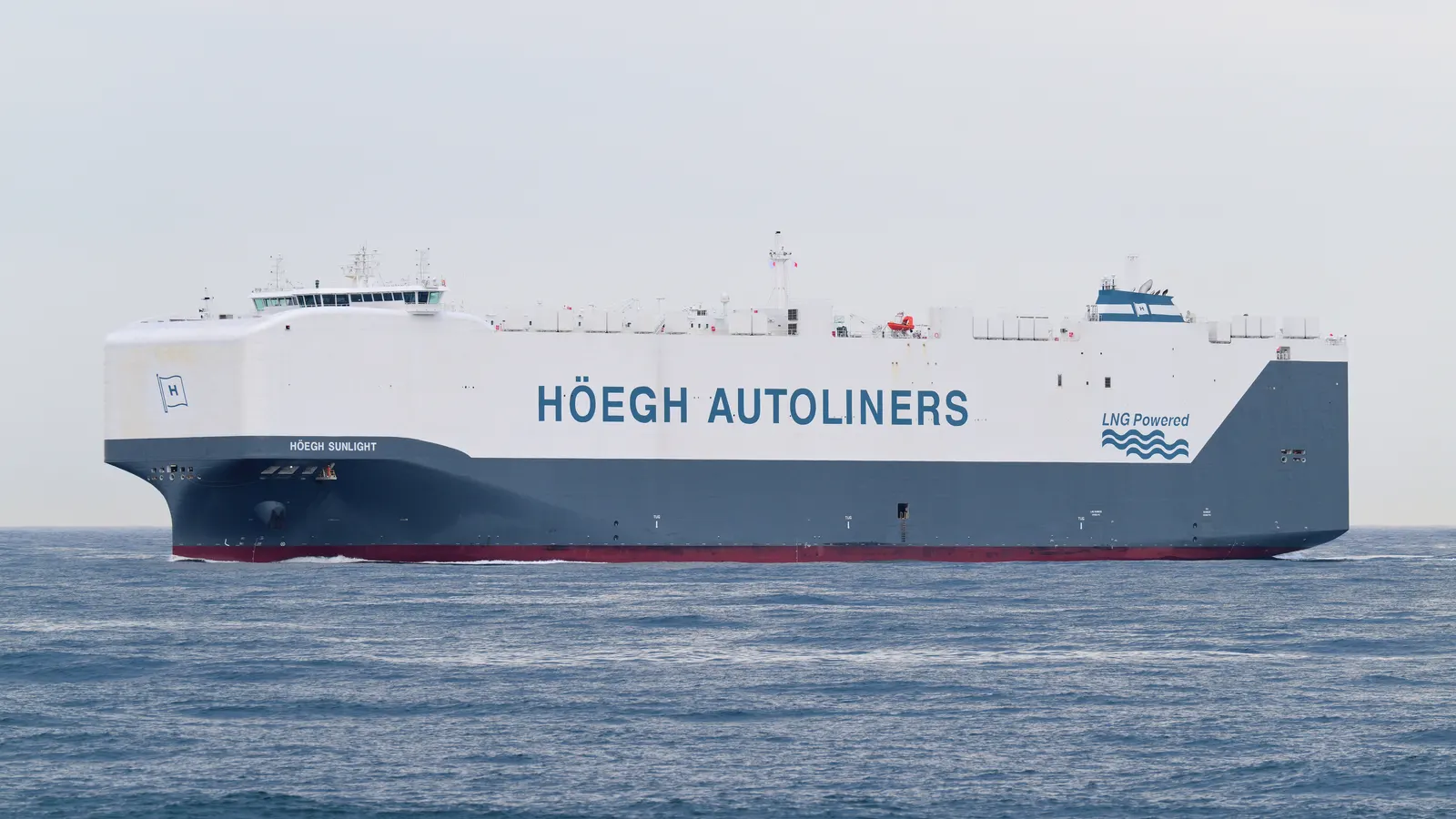
Choosing a vessel for imported cars is less about the ship than the route it runs. A direct call on a regular service is predictable; a cheaper transhipment through a hub can be fast or slow depending on whether the onward connection is made.
The short version
- Cars travel on vehicle carriers (PCC/PCTC) or in containers on container ships.
- A direct call removes the risk of a missed connection at a transhipment hub.
- Sailing frequency sets how long a car can wait for the next ship if it misses one.
- Compare quotes on the same port pair, inclusions and insurance.
Choosing a ship, in one paragraph
Start with the ports: which services call at a port near your source and at your destination port, and how often. Prefer a direct service where one exists at a sensible price. If the route needs a transhipment, find out where, how long cars typically wait there, and what happens if the connection is missed. Then compare the freight quotes on identical inclusions.
The vessels cars travel on
- Pure car carriers (PCC) and pure car and truck carriers (PCTC). Purpose-built roll-on/roll-off ships with many internal decks and ramps, some adjustable to take taller vehicles. Cars are driven on and off.
- Container ships. Cars sealed in containers travel as ordinary cargo alongside everything else.
The trade-offs between the two methods are in RoRo versus container shipping.
Reading a sailing schedule: direct calls and transhipment
A schedule shows a vessel's calls in order. A direct service calls at your loading port and your destination port on the same voyage. A transhipment service carries the car to a hub port, unloads it, and loads it onto a second vessel for the final leg.
- Transit time on a transhipment route is the sum of both legs plus the wait at the hub.
- A missed connection means waiting for the next onward sailing, which on a thin route can be weeks away.
- Each extra handling is another chance of damage, so check the insurance covers the whole journey including the hub.
- Cut-off dates for delivering the car and its documents to the loading terminal come before the sailing date; a car that misses cut-off misses the ship.
Questions to ask before you book
- Is the service direct, or transhipped — and where?
- How often does it sail on this route?
- What is the cut-off for the car and for the documents?
- Which charges at the loading and destination terminals are in the quote, and which are billed separately?
- Which bill of lading will be issued — original, telex release or sea waybill?
- What does the carrier's liability cover, and what insurance basis applies?
- What may and may not travel inside the car?
Comparing two quotes
A lower freight rate on a route with infrequent sailings or a transhipment can cost more than it saves once the car's time at sea and in port is counted — every week a car is not on your forecourt is a week of capital tied up.
Which port will your cars land at?
| Country | Where cars land |
|---|---|
| Cars arrive at several UK deep-sea ports by roll-on/roll-off ship or in containers; the right port is the one with a regular sailing from your source market and the shortest run to your premises. | |
| Cars arrive at Irish ports such as Dublin by roll-on/roll-off ship or in containers; check which ports your shipping line calls at from your source market. | |
| Cars reach Malta by roll-on/roll-off ship or in containers; check which services call at Malta from your source market, as many routes tranship on the way. | |
| Cars arrive through Cyprus Ports Authority ports, chiefly Limassol. | |
| Cars for Kenya land at Mombasa, run by the Kenya Ports Authority. | |
| Cars land at Dar es Salaam, run by the Tanzania Ports Authority — which also serves cars in transit to inland neighbours. | |
| Uganda is landlocked: cars are shipped to Mombasa or Dar es Salaam and travel inland under customs transit. | |
| Cars land at Port Louis. | |
| Cars land at Kingston. | |
| Cars land at Port of Spain. | |
| Cars arrive at several New Zealand ports; choose by sailing schedule from your source market and distance to your yard. | |
| Cars land at Colombo, run by the Sri Lanka Ports Authority. |
Choose a country for its full rules and the official sources, checked 27 October 2026.
Where cars land · United Kingdom
Cars arrive at several UK deep-sea ports by roll-on/roll-off ship or in containers; the right port is the one with a regular sailing from your source market and the shortest run to your premises.
Sources for United Kingdom, checked 27 October 2026:
- Importing vehicles into the UK — GOV.UK
Where cars land · Ireland
Cars arrive at Irish ports such as Dublin by roll-on/roll-off ship or in containers; check which ports your shipping line calls at from your source market.
Sources for Ireland, checked 27 October 2026:
Where cars land · Malta
Cars reach Malta by roll-on/roll-off ship or in containers; check which services call at Malta from your source market, as many routes tranship on the way.
Sources for Malta, checked 27 October 2026:
Where cars land · Cyprus
Cars arrive through Cyprus Ports Authority ports, chiefly Limassol.
Sources for Cyprus, checked 27 October 2026:
- Cyprus Ports Authority — Cyprus Ports Authority
Where cars land · Kenya
Cars for Kenya land at Mombasa, run by the Kenya Ports Authority.
Sources for Kenya, checked 27 October 2026:
- Kenya Ports Authority — Kenya Ports Authority
Where cars land · Tanzania
Cars land at Dar es Salaam, run by the Tanzania Ports Authority — which also serves cars in transit to inland neighbours.
Sources for Tanzania, checked 27 October 2026:
- Tanzania Ports Authority — TPA
Where cars land · Uganda
Uganda is landlocked: cars are shipped to Mombasa or Dar es Salaam and travel inland under customs transit.
Sources for Uganda, checked 27 October 2026:
- Kenya Ports Authority — Kenya Ports Authority
- Tanzania Ports Authority — TPA
Where cars land · Mauritius
Cars land at Port Louis.
Sources for Mauritius, checked 27 October 2026:
- Customs — motor vehicles — Mauritius Revenue Authority
Where cars land · Jamaica
Cars land at Kingston.
Sources for Jamaica, checked 27 October 2026:
- Port Authority of Jamaica — Port Authority of Jamaica
Where cars land · Trinidad and Tobago
Cars land at Port of Spain.
Sources for Trinidad and Tobago, checked 27 October 2026:
Where cars land · New Zealand
Cars arrive at several New Zealand ports; choose by sailing schedule from your source market and distance to your yard.
Sources for New Zealand, checked 27 October 2026:
- Importing a used vehicle — NZ Transport Agency Waka Kotahi
Where cars land · Sri Lanka
Cars land at Colombo, run by the Sri Lanka Ports Authority.
Sources for Sri Lanka, checked 27 October 2026:
- Sri Lanka Ports Authority — SLPA
Once booked, the shipping line's document is the bill of lading, and the voyage needs suitable insurance. Shipping time is one stage of several in the import timeline. With cars and a route in mind, you can send a dealer inquiry. The full process is in the dealer's guide to sourcing cars overseas.