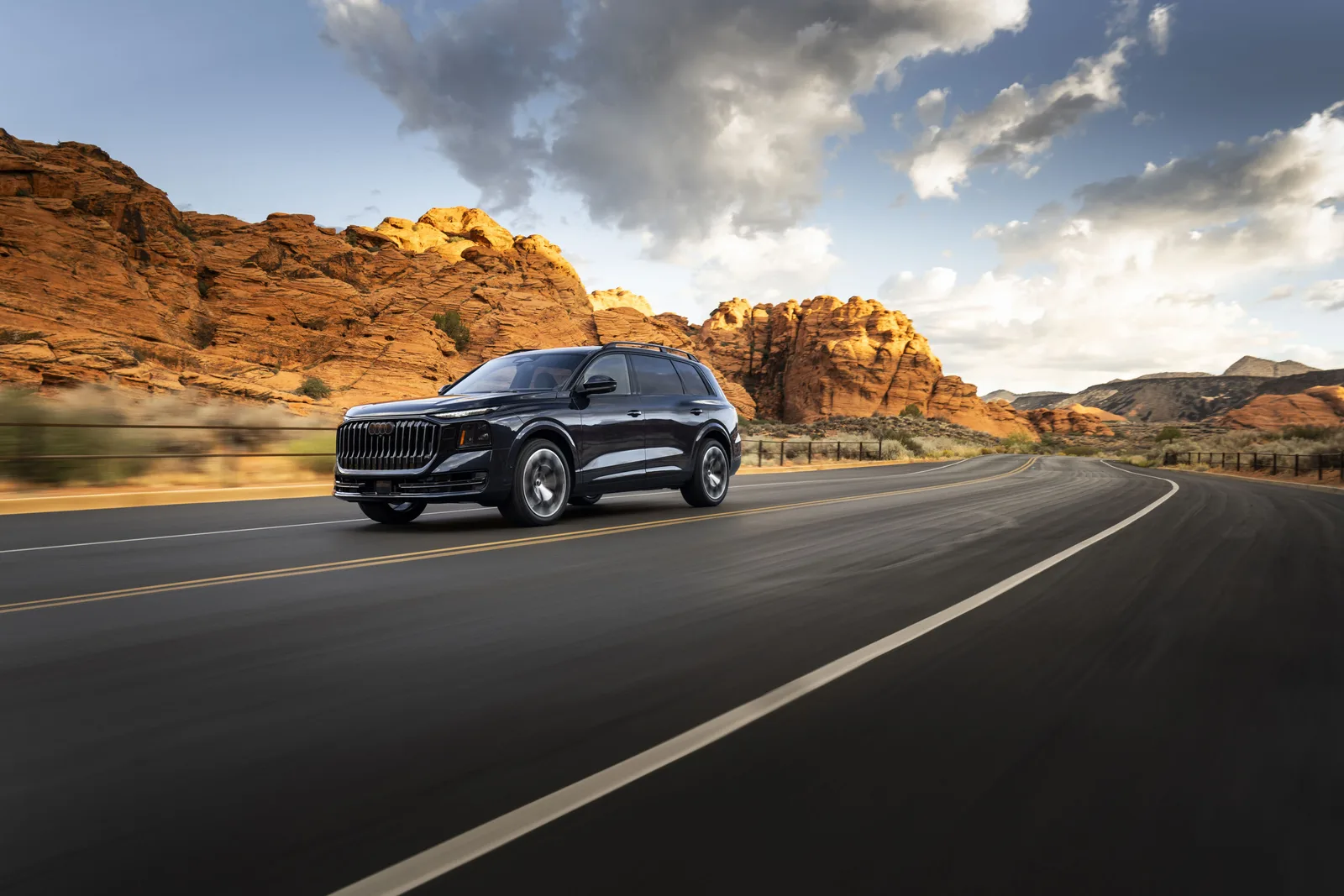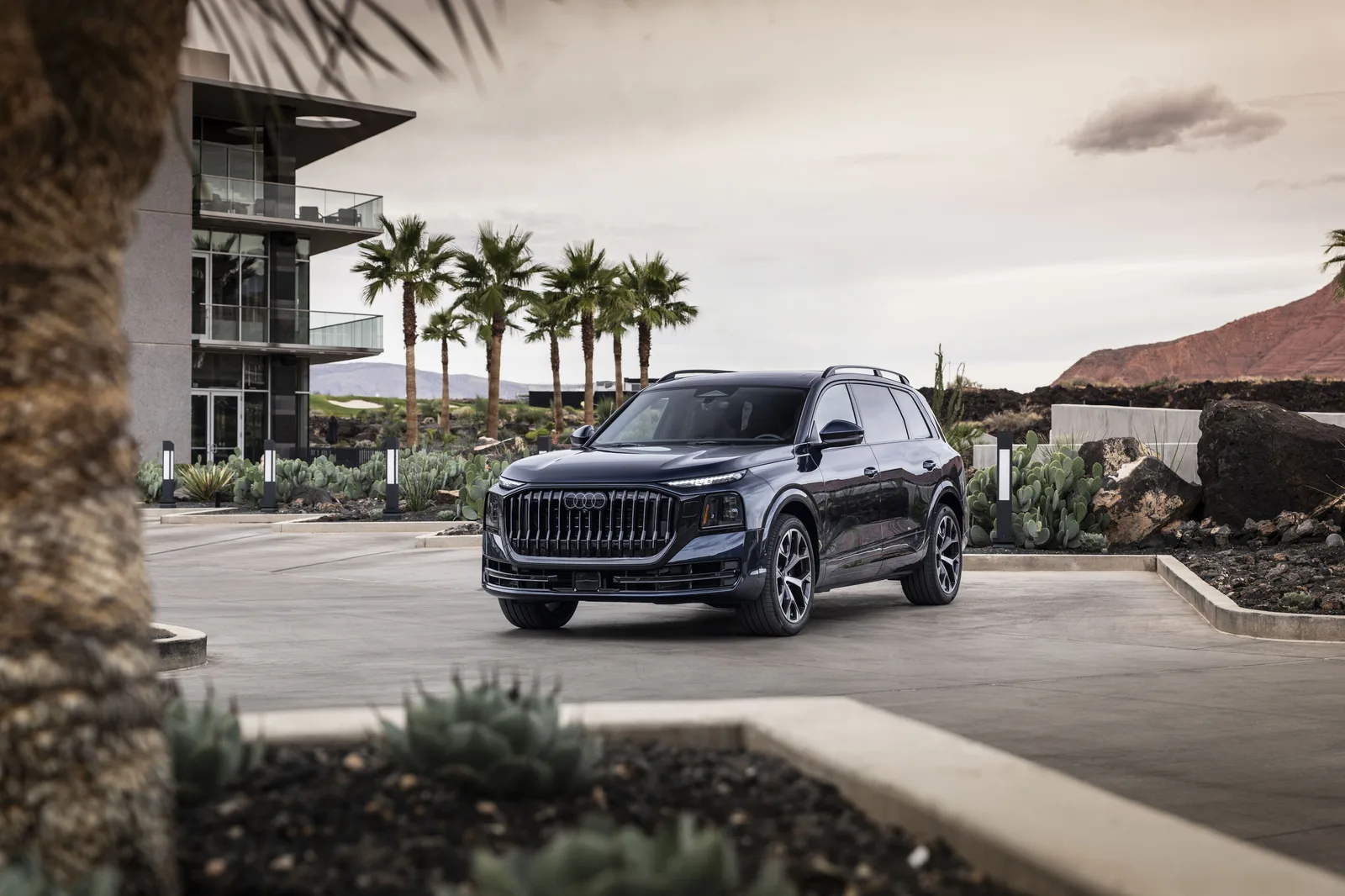
Australia’s free trade agreement with the European Union will remove the 5 per cent customs duty on EU-built cars, but not yet. The deal was concluded on 24 March 2026 and is not in force. On 27 October 2026 the Australian Automotive Dealer Association urged Parliament to back it, and GoAuto reports that the Department of Foreign Affairs and Trade expects signature in late 2026 or early 2027, with up to another year of ratification after that. If you are importing a European car into Australia now, price it with the duty in.
The short version
- The 5 per cent duty still applies. Australia’s customs tariff sets a general rate of 5 per cent on new passenger cars, and the EU agreement has not entered into force.
- Removing it saves more than 5 per cent of the duty base. GST and luxury car tax are both charged on a value that includes the duty, so on our worked example A$5,000 of duty is worth A$7,150 of tax.
- The luxury car tax stays. DFAT says the agreement adds a new category with a A$120,000 threshold for zero-emission vehicles. Petrol, diesel and hybrid cars keep the ATO’s 2026–27 thresholds of A$80,809 and A$91,661.
- Where a car is built decides it, not the badge. A Japanese, Korean or Thai-built car that qualifies under Australia’s existing agreements already enters duty-free; a European brand built outside the EU gains nothing from this deal.
- Do not hold an import waiting for it. The earliest plausible date is 2027, and the Nationals oppose the agreement.
When does the Australia–EU free trade agreement take effect?
Not before it is signed, examined by Parliament and consented to by the European Parliament. Trade Minister Don Farrell announced the conclusion of the agreement on 24 March 2026 and said it will enter into force when both Australia and the European Union have completed their domestic processes. DFAT lists it among agreements not yet in force.
24 March 2026
Agreement concluded
Announced by Trade Minister Don Farrell.27 October 2026
Dealers urge Parliament to back it
The AADA warns that political uncertainty could delay the tariff relief, GoAuto reports.Late 2026 or early 2027
Signature expected
DFAT's expectation, as reported by GoAuto, after legal checking and translation.Up to a year after signing
Treaties committee, legislation and EU consent
Entry into force only when both sides have finished.
GoAuto also reports that the Nationals, led by Matt Canavan, oppose the agreement over agricultural access, environmental commitments and its overall balance, and that Don Farrell has resisted calls to reopen talks. We make no forecast of the vote. What can be said is that a tariff that depends on two parliaments is not a tariff to plan a purchase around.
How much does the 5 per cent duty add to a European car?
More than 5 per cent of the customs value, because the duty is taxed again. Australian GST on an import is 10 per cent of a value that includes the customs value, the duty and the international transport and insurance, according to the ATO. The luxury car tax is then 33 per cent of the amount above the threshold, worked out on a value that includes the duty and the GST. Every dollar of duty is charged twice more on its way to your driveway.
An EU-built diesel SUV, customs value A$100,000, with the 5% duty
Our assumption: A$5,000 of international transport and insurance. LCT at the ATO's 2026–27 threshold of A$80,809 for a car that is not fuel-efficient.
The same car once the agreement is in force
Same assumptions, no customs duty
The difference is A$7,150: the A$5,000 of duty, A$500 of GST charged on it, and A$1,650 of luxury car tax charged on both. The luxury car tax line uses the ATO’s import formula, (LCT value − threshold) × 10 ÷ 11 × 33 per cent. On a car below the threshold the saving is just the duty and its GST.
Figures are indicative and for guidance only. Actual VRT is charged on Revenue’s OMSP and varies by model, year and mileage. Always confirm current rates and your specific case with Revenue.ie before committing to a purchase.
Does this apply to you?
It applies if you import a car into Australia that is built in the European Union — GoAuto notes that eligibility depends on where a vehicle is built, not where its maker is headquartered. That covers a German, Italian or French car built in Europe, and the Slovakia-built Audi Q9.
| Where the car is built | Duty today | After the EU agreement |
|---|---|---|
| European Union | 5% general rate | Removed, once in force |
| Japan, Korea, Thailand (qualifying cars) | Already free under existing agreements | No change |
| A European brand built outside the EU | Depends on the country of manufacture | No change from this agreement |
Who the Australia–EU agreement changes anything for, as at 28 October 2026
- Is the car still legal to import? Nothing changes. The agreement moves a tax, not the Road Vehicle Standards approval a car needs before it can be imported. DFAT says it reinforces Australia’s safety and quality standards.
- Electric cars: the new A$120,000 luxury car tax threshold for zero-emission vehicles applies whatever the country of manufacture, so a Chinese-built EV benefits as much as a European one.
Should you wait for the tariff to go?
Usually not. On a A$100,000 European car the saving is real — about A$7,150 on our example — but the date is not. The agreement has not been signed, and the published expectation is a further year of process after signature. Waiting means holding a decision open into 2027 or 2028 against a saving that a currency move or a price change could cancel in a month.
Wait only if the car is European-built, the purchase is genuinely flexible, and you would want the same car in 2028. Otherwise price it with the duty in and decide on that number. For a car you are considering, you can start your import inquiry with the duty, GST and luxury car tax worked out before you commit.
Is this just news, or is someone selling you something?
Dealers want the agreement passed: the AADA’s chief executive, James Voortman, called the 5 per cent tariff unnecessary, and GoAuto notes the full benefit may not reach buyers. The Government presents the deal as cheaper European cars. The AADA estimates that fewer than one per cent of new-vehicle sales would benefit from the luxury car tax change. Read any “European cars about to get cheaper” headline as a reason to check the date, not as a reason to wait.
What we could not confirm
On the record
- Concluded 24 March 2026; in force only when both sides complete their processes (Trade Minister; DFAT).
- A new A$120,000 luxury car tax threshold for zero-emission vehicles (DFAT).
- 5% general rate on passenger cars in the Customs Tariff (Australian Border Force).
- LCT at 33% above A$80,809, or A$91,661 for fuel-efficient cars, in 2026–27 (ATO).
Still not established
- The signing date. DFAT’s late-2026 or early-2027 expectation is as reported by GoAuto.
- An entry-into-force date. None has been set.
- How the rules of origin treat an EU-built car shipped from a third country, such as a European car exported from Britain. The agreement’s origin and consignment rules should be read for the exact car once the text is final.
Sources
- Australia–European Union Free Trade Agreement — Minister for Trade and Tourism
- A-EU FTA key outcomes and benefits — Department of Foreign Affairs and Trade
- Customs Tariff, Schedule 3, Chapter 87 — Australian Border Force
- Luxury car tax rate and thresholds — Australian Taxation Office
- Working out the LCT on an import — Australian Taxation Office
- GST and imported goods — Australian Taxation Office
- AADA urges Parliament to back EU trade deal — GoAuto
- Australia-EU trade deal signed, set to cut car prices… but Luxury Car Tax lives on — WhichCar