
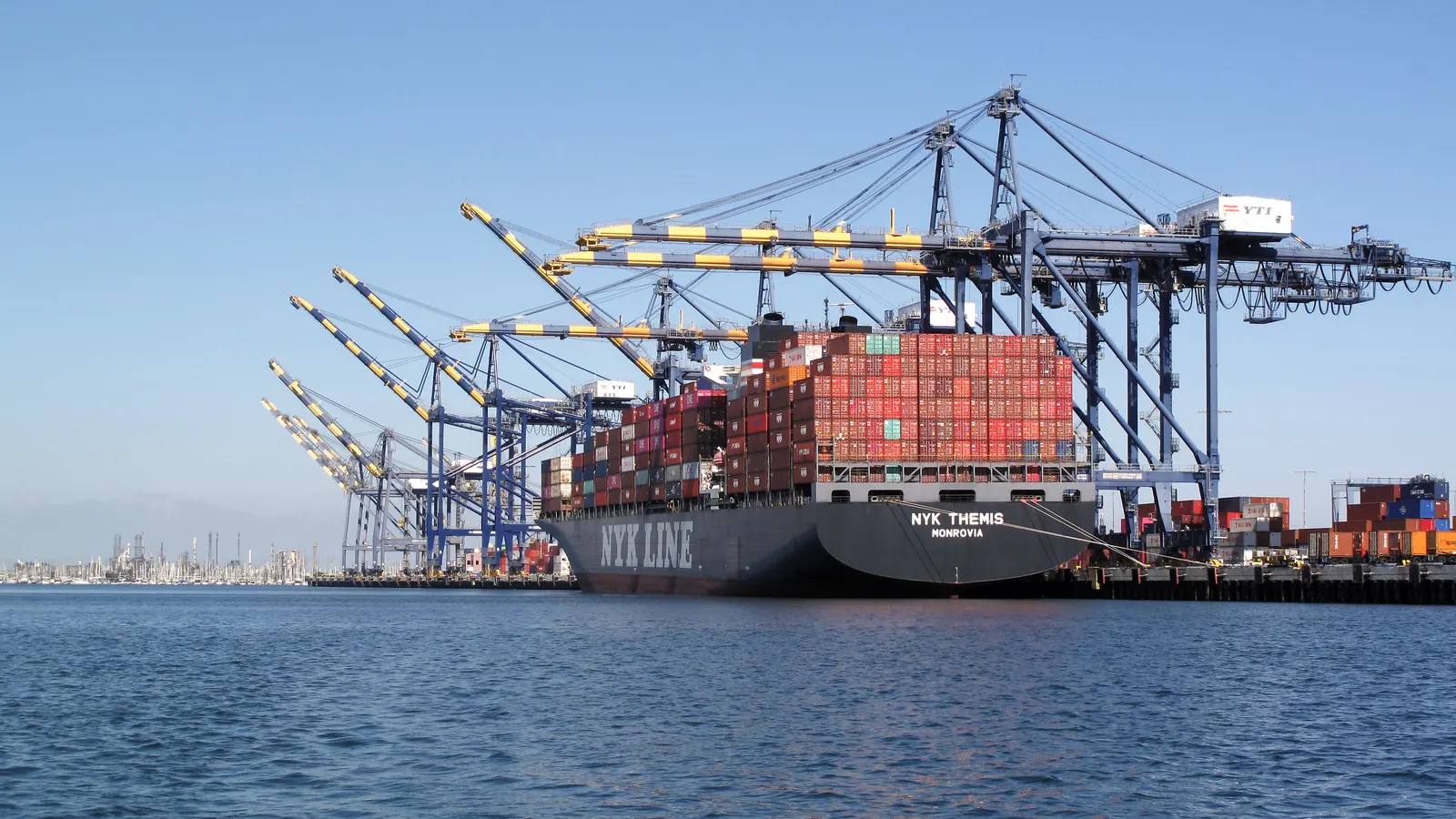
Every imported car is two trades: one in the car, and one in the currency it is priced in. The car's price can be fixed the day you agree it. Its cost to you is not fixed until you pay — and the duty is not fixed until customs converts the value at its own rate.
The short version
- A weak source currency makes the car cheaper; a weak home currency makes everything dearer.
- Three dates set your rates: agreeing the price, paying, and customs entry.
- Customs uses its own exchange rate, not your bank's.
- This guide does not forecast currencies, and neither should a landed-cost sheet.
Currency risk, in one paragraph
Between agreeing a price in yen, pounds, dollars or dirhams and paying for it in your own currency, the exchange rate can move; that changes what the car costs you. Separately, customs converts the car's value into your currency at its own published rate for the date of import, which changes the duty. A dealer manages the first by timing or fixing the payment, and plans for the second by checking the authority's rate.
The two sides of the trade
| Move | Effect on a car priced in the source currency |
|---|---|
| Source currency weakens against yours | The car and the duty on it cost less in your money |
| Source currency strengthens against yours | The car and the duty cost more |
| Your currency weakens against the US dollar | Freight quoted in dollars costs more, whatever the source currency does |
| Your currency weakens generally | Every foreign-priced line in the landed cost rises at once |
A cheaper source currency does not lower costs priced in other currencies, such as freight quoted in dollars or local charges in your own currency. Read each line of the landed cost in the currency it is charged in.
The three dates that set your rate
- The day you agree the price. The car is fixed in the source currency; your exposure starts.
- The day you pay. Your bank's rate fixes what the car cost you.
- The day of customs entry. The authority's rate fixes the value duty is charged on. HMRC, for instance, publishes monthly rates that apply to every import in the calendar month.
Ways dealers manage exposure
- Pay promptly after agreeing a price, to shorten the exposure.
- Fix the rate with a forward contract for a known payment date, through your bank or a currency provider.
- Hold a balance in the source currency when you buy there regularly.
- Price resale with headroom for a move between purchase and sale.
Each method has a cost, and none changes the customs rate on the day of entry. Whatever the method, note the pair, the level and the date in the car's file: an undated rate is worthless a week later.
Which currency and rate your customs uses
| Country | Currency and exchange rate |
|---|---|
| Customs values are converted to pounds sterling at HMRC's monthly rate for the month of import. | |
| Ireland's customs values are in euro, so a car priced in yen, sterling or dollars carries exchange-rate exposure until it is paid for. | |
| Malta's taxes are assessed in euro, so a car priced in yen or sterling carries exchange-rate exposure until it is paid for. | |
| Customs values are in euro, so a car priced in yen or sterling carries exchange-rate exposure until it is paid for. | |
| Duties are assessed in Kenyan shillings, so a car priced in yen, sterling or dirhams carries exchange-rate exposure until the duty is paid. | |
| Duties are assessed in Tanzanian shillings, so a car priced in yen or sterling carries exchange-rate exposure until the duty is paid. | |
| Duties are assessed in Ugandan shillings, so a car priced in yen or sterling carries exchange-rate exposure until the duty is paid. | |
| Duties are assessed in Mauritian rupees, so a car priced in yen or sterling carries exchange-rate exposure until the duty is paid. | |
| Duties are assessed in Jamaican dollars, so a car priced in yen or sterling carries exchange-rate exposure until the duty is paid. | |
| Duties are assessed in Trinidad and Tobago dollars, so a car priced in yen or sterling carries exchange-rate exposure until the duty is paid. | |
| GST is assessed in New Zealand dollars, so a car priced in yen carries exchange-rate exposure until it is paid for. | |
| Duties are assessed in Sri Lankan rupees, so a car priced in yen carries exchange-rate exposure until it is paid for — and the letter of credit fixes when that happens. |
Choose a country for its full rules and the official sources, checked 27 October 2026.
Currency and exchange rate · United Kingdom
Customs values are converted to pounds sterling at HMRC's monthly rate for the month of import.
- The rate is fixed for the whole calendar month, so a car that lands on the 1st and one that lands on the 30th convert at the same rate.
Sources for United Kingdom, checked 27 October 2026:
- Exchange rates for customs and VAT — UK Integrated Online Tariff
Currency and exchange rate · Ireland
Ireland's customs values are in euro, so a car priced in yen, sterling or dollars carries exchange-rate exposure until it is paid for.
Sources for Ireland, checked 27 October 2026:
Currency and exchange rate · Malta
Malta's taxes are assessed in euro, so a car priced in yen or sterling carries exchange-rate exposure until it is paid for.
Sources for Malta, checked 27 October 2026:
- Vehicle registration tax calculator — Government of Malta
Currency and exchange rate · Cyprus
Customs values are in euro, so a car priced in yen or sterling carries exchange-rate exposure until it is paid for.
Sources for Cyprus, checked 27 October 2026:
- Vehicles from countries outside the European Union — on payment of import duty and VAT — Cyprus Customs & Excise Department
Currency and exchange rate · Kenya
Duties are assessed in Kenyan shillings, so a car priced in yen, sterling or dirhams carries exchange-rate exposure until the duty is paid.
Sources for Kenya, checked 27 October 2026:
- Importation procedure for motor vehicles — Kenya Revenue Authority
Currency and exchange rate · Tanzania
Duties are assessed in Tanzanian shillings, so a car priced in yen or sterling carries exchange-rate exposure until the duty is paid.
Sources for Tanzania, checked 27 October 2026:
Currency and exchange rate · Uganda
Duties are assessed in Ugandan shillings, so a car priced in yen or sterling carries exchange-rate exposure until the duty is paid.
Sources for Uganda, checked 27 October 2026:
- Uganda Revenue Authority — URA
Currency and exchange rate · Mauritius
Duties are assessed in Mauritian rupees, so a car priced in yen or sterling carries exchange-rate exposure until the duty is paid.
Sources for Mauritius, checked 27 October 2026:
- Customs — motor vehicles — Mauritius Revenue Authority
Currency and exchange rate · Jamaica
Duties are assessed in Jamaican dollars, so a car priced in yen or sterling carries exchange-rate exposure until the duty is paid.
Sources for Jamaica, checked 27 October 2026:
- Motor vehicle — general information — Trade Board Limited
Currency and exchange rate · Trinidad and Tobago
Duties are assessed in Trinidad and Tobago dollars, so a car priced in yen or sterling carries exchange-rate exposure until the duty is paid.
Sources for Trinidad and Tobago, checked 27 October 2026:
- Customs and Excise Division — Ministry of Finance
Currency and exchange rate · New Zealand
GST is assessed in New Zealand dollars, so a car priced in yen carries exchange-rate exposure until it is paid for.
Sources for New Zealand, checked 27 October 2026:
- Fact sheet: importing goods for business or commercial use (April 2026) — New Zealand Customs Service
Currency and exchange rate · Sri Lanka
Duties are assessed in Sri Lankan rupees, so a car priced in yen carries exchange-rate exposure until it is paid for — and the letter of credit fixes when that happens.
Sources for Sri Lanka, checked 27 October 2026:
- Importation of a used motor vehicle under import control licence — Department of Import and Export Control
Currency feeds two other calculations: the customs value and the landed cost. Payment timing is also a fraud control — see paying overseas car suppliers safely. When you have cars to price, you can send a dealer inquiry. The full process is in the dealer's guide to sourcing cars overseas.